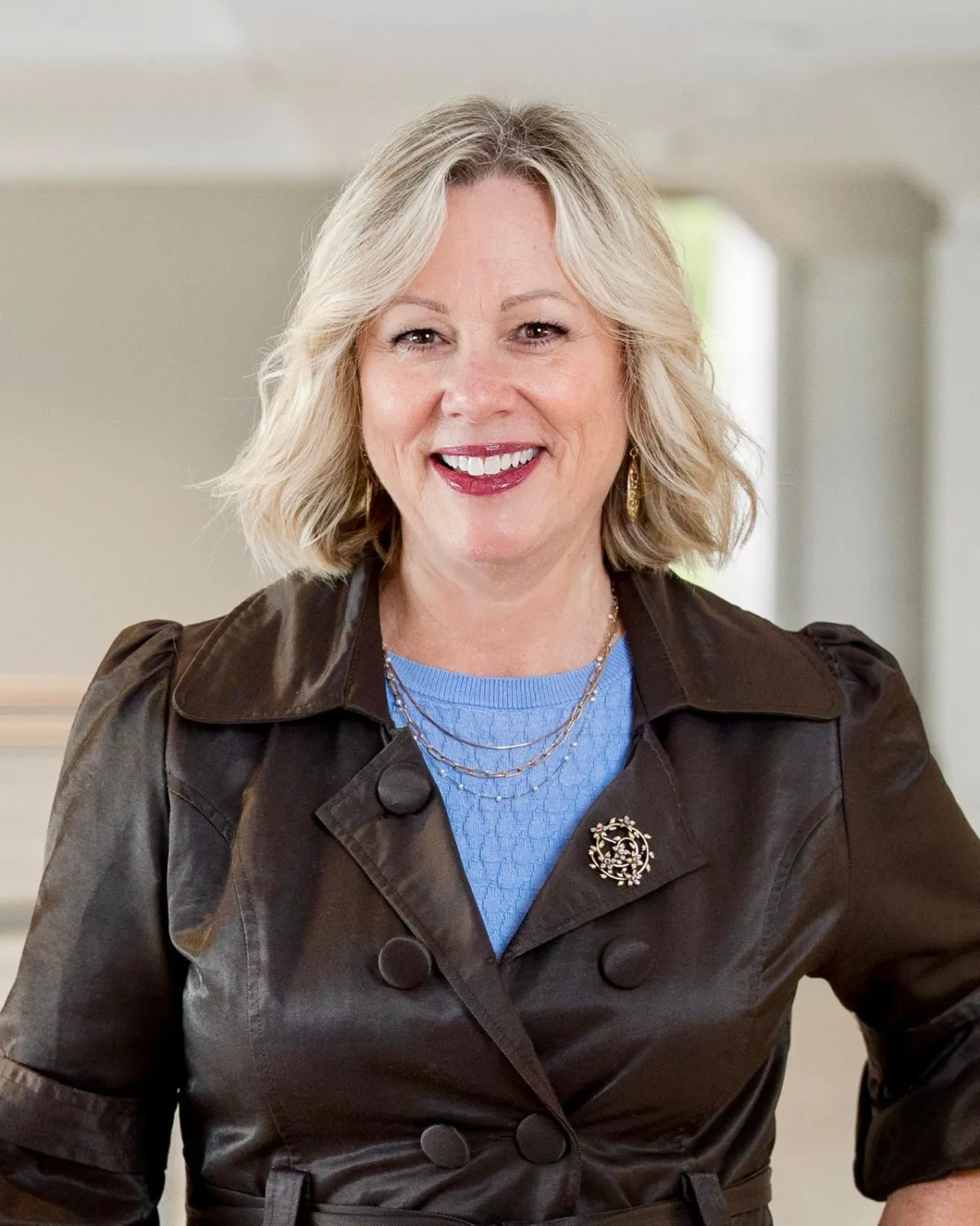
Healthy Is Easier Than You Think with Dr. Meghan Garcia-Webb
"Nobody knows when they're full. Nobody. Everybody's doing five different things while they're eating, so even if they were full, they'd have no idea because they're not paying attention to their body." - Dr. Meghan Garcia-Webb, MD
Follow the Show
Apple Podcasts | Spotify | YouTube
In this episode of The Lit Up Life Podcast, I sit down with Dr. Meghan Garcia-Webb, a physician board certified in internal medicine, lifestyle medicine, and obesity medicine, to talk about why healthy is easier than you think, and what GLP-1s and food noise really mean for weight loss.
Dr. Meghan has spent years in primary care watching patients get all the information and still not see change, which led her to obesity medicine and coaching. We talk about redefining what health actually means beyond a number on a scale, why the all-or-nothing culture keeps so many of us stuck, and how something as simple as making half your plate fruits and vegetables can shift everything. I also share my own story, from a health scare that turned out to be two ribs out of place, to the decision to start a GLP-1 during menopause when nothing else was working.
We get honest about the stigma around GLP-1s, what food noise actually feels like once it's gone, and what to watch for if you're considering this path for yourself.
Key Takeaways From This Episode
Why the calories in calories out model fails so many people
How obesity is being reframed as a disease instead of a personal failing
What it means to make health simple instead of a science project
Why nobody actually knows when they're full, and what to do about it
What food noise is and how much mental energy it quietly drains
What to watch for physically and emotionally if you're considering a GLP-1
Questions This Episode Answers
Why does eating healthier feel so hard even when you know what to do?
What is food noise and how do you know if you have it?
Are GLP-1 medications something you have to stay on forever?
How do you know if a GLP-1 is the right decision for you?
What should you actually track instead of the scale?
Meet Dr. Meghan Garcia-Webb
Meghan Garcia-Webb, MD is triple board-certified in internal medicine, lifestyle medicine, and obesity medicine. She produces a weekly YouTube series, “Weight Medicine with Dr. Meghan MD,” and provides weight loss coaching to help people fix the One Big Thing blocking their weight loss. Her innovative private practice (www.weightmedicinemd.com) combines concierge weight medicine with life coaching, and she is also an internist at an academic medical center in Boston, MA.
Dr. Garcia-Webb has been featured in GQ, Time, Business Insider, Newsweek, The New York Post, and Men’s Health, as well as on NBC and Fox News.
Website: www.weightmedicinemd.com
YouTube: https://www.youtube.com/@WeightMedicinewithDrMeghanMD/videos
Connect with Debbie Heiser
Join the BuildHER Community
FREE Law of Attraction Masterclass
Follow on Instagram
Healthy Is Easier Than You Think
I used to believe health had to be hard to count. That if it wasn't a project, a tracker, a system with rules, it wasn't really working. So when I sat down with Dr. Meghan Garcia-Webb, a physician board certified in internal medicine, lifestyle medicine, and obesity medicine, I wasn't expecting her to say the opposite. But she did, and it changed how I think about this whole conversation.
Dr. Meghan spent years in primary care having the same conversation with patients over and over. She'd give them the information, the handouts, the plan, and a year later, nothing had changed. Eventually she realized the problem was never a lack of information. It was everything underneath it, the habits, the beliefs, the mental hurdles nobody was naming out loud. That's what led her to get certified in obesity medicine and become a coach, so she could work with both the body and the mind at the same time.
Health Is More Than a Number
One of the first things Dr. Meghan pointed out is that health isn't just your labs or your vitals. It's whether you have a sense of purpose, whether your relationships support who you're becoming, whether you're excited about your own future. That reframe matters, because so many of us have been taught that health is a fix, a project to complete once we're finally disciplined enough.
That line stuck with me. We live in a culture that treats getting healthy like it has to be miserable to count. Track everything, restrict everything, turn your life into a science experiment. Dr. Meghan pushed back on that hard. She said the only thing that actually predicts success is consistency, and you can't be consistent doing something you hate.
The One Thing That Actually Moves the Needle
If she could push a button and get everyone in America to do one thing, it would be this: make half your plate fruits and vegetables. Not a new recipe, not a meal plan, just shifting what's already on the plate. It's not about restriction. It's about adding more of what your body actually wants.
We also talked about something I didn't expect to resonate with as deeply as I did, the idea that when we think of ourselves as something that needs fixing, we're carrying a message that was never true to begin with. We weren't born with a tag that said something's wrong with us. Most of that came from somewhere else, somewhere in childhood, and it's worth unwinding.
My Own Turning Point
I shared my own story on this one too. A couple of years ago I thought I was having a heart attack. It turned out to be two ribs out of place, but it scared me enough to look honestly at where I was. I was heavier than I had ever been, even at nine months pregnant, and nothing I tried was working. That's when I made the decision to start a GLP-1.
I wasn't on any prescriptions before that
I made the decision thoughtfully, not impulsively
It became one of the best decisions I've made for my health
The part I didn't expect was the food noise. I had no idea how much mental and emotional energy was being quietly drained by that constant background chatter about food until it finally went quiet.
What Nobody Tells You About Being Full
Dr. Meghan made a point that I haven't stopped thinking about. Nobody actually knows when they're full, because most of us are doing five things while we eat and never paying attention to our bodies. These medications, she explained, force that attention back. You start noticing what you can and can't eat comfortably, and you start eating slower without trying to.
She was also direct about what to watch for if you're considering this path. Side effects are usually annoying but manageable, but you want a provider who feels like a real safe place to go, not just a prescription pad. And she reminded me that progress isn't only the scale. It's your clothes fitting differently, your energy, your sleep, whether you feel like yourself walking down the street.
This conversation wasn't about convincing anyone to do what I did. It was about taking the shame out of the decision, whatever that decision looks like for you. Health doesn't have to be a project you're failing at. It can be simpler, and kinder, than we've been taught to believe.


